
As the countryside is enjoyed by members of the public, it is important to address the issue of a farmer’s liability in cow trampling incidents. Understanding the common scenarios of cow trampling and the legal implications for farmers is crucial in finding a balance between public access and livestock safety.
Cattle attacks have consistently been reported over the years, such as between 1993 and 2013, 24% of attacks were reported to be fatal whilst the others consisted of mainly fracture injuries and bruising. According to the Health and Safety Executive (HSE), between 2000 and 2021, there were 27 fatal attacks. As well, named the UK’s most dangerous animal by the Mirror and referencing the HSE, between 2018 and 2022, more than 30 people were killed by cows.
Cow trampling incidents can occur in various scenarios, often triggered by the presence of a herd of cows on a public footpath. Crowded spaces, unexpected noises, and movements can escalate the situation, causing cows to trample members of the public. Separated calves, aggressive behaviour within the herd, and cows protecting their young can also contribute to these incidents. Whilst we focus a lot on animal behaviour, this can be exacerbated by members of the public not keeping to footpaths or having their dogs on leads when in the proximity of livestock.
Cases of Farmer Liability in Cow Trampling
In 2021, Janicke Tvedt and David Hood encountered a life-threatening situation while on a routine walk with their dog in North Yorkshire. Their encounter with a group of cows turned violent, leading to severe injuries and lasting trauma. While traversing a field near Shaws Farm, Tvedt and Hood attempted to avoid a group of cows with calves. Despite their precautions, they were attacked by one of the cows, forcing them to seek refuge in a tree to evade further harm.
Tvedt suffered multiple serious injuries, including broken ribs, internal injuries, and psychological trauma. Her recovery has been slow, with persistent anxiety during countryside walks. An investigation by the HSE revealed negligence on the part of the farmer, Martin Falshaw, who failed to adequately protect the public from livestock hazards. Falshaw was fined and ordered to pay costs for breaching health and safety regulations.
In another case, we see the devastating story of Patrick Atherton, a retired chartered surveyor, and his dog Lad who encountered a life-threatening situation while walking on a public footpath in Devon in 2022. The incident, involving an aggressive cow, left Atherton and Lad traumatised and injured.
Atherton and Lad were walking near Birdcage Farm when a black cow charged at them, knocking Atherton down and repeatedly attacking Lad. Despite Atherton’s efforts to defend himself and his dog, they were surrounded by the aggressive cattle, leaving them fearing for their lives. Atherton suffered cuts and bruises, while Lad sustained severe injuries and required lifelong veterinary medication. Sadly, Lad’s health never fully recovered, and he passed away later that year.
An investigation by the HSE found negligence on the part of the farmer, Hallett. Cattle, including cows with calves, were kept in a field intersected by a public right of way without adequate safety measures. Hallett pleaded guilty to breaching health and safety regulations and faced fines and costs.
This case underscores the critical need for farming businesses to prioritise public safety when managing livestock near public pathways. It serves as a reminder of the legal obligations businesses bear to implement effective safety measures and highlights the devastating consequences of negligence in rural environments.
The Role of Rural Protect
Cow trampling incidents pose legal challenges for farmers who are tasked with ensuring the safety of both visitors and livestock. Legal implications surrounding a farmer’s liability are shaped by court rulings, the HSE, and legislative frameworks.
Addressing a farmer’s liability in cow trampling cases requires a thorough understanding of the legal implications and existing regulations. With Rural Protect, a Management Liability insurance specifically designed for the agricultural sector, rural businesses are assisted in events such as claims alleging negligence or other wrongful acts, ensuring the continued operation and sustainability of the business.
As the cases above have shown us, when a cow trampling incident occurs, the farmer may be held liable for any resulting injuries or harm. Having adequate Public Liability insurance in place can certainly provide crucial financial support in the event of legal proceedings in cases like these as it can cover legal costs, compensation claims, and damages, shielding farmers from significant financial burdens. In instances such as the above cases, Rural Protect would have covered the HSE’s FFI and provided a solicitor to act in their best interests, deal with the media and publicity matters, and defence costs incurred as a result of the breach of duty to protect the public.
Identifying Risky Cow Trampling Scenarios
In the countryside, public rights of way provide access for members of the public to enjoy the outdoors. However, in such settings, there can be encounters between cows and members of the public, leading to potential trampling incidents. Both farmers and visitors must be aware of the risks involved, especially when livestock are kept in fields with a public right of way. Farmers must take appropriate measures to protect members of the public, such as maintaining warning signs and ensuring proper fencing, to avoid liability in cases of cow trampling.
Safety guidelines for countryside visitors are instrumental in the well-being of both visitors and livestock. As the HSE run their ‘Your Farm, Your Future’ campaign, which is aimed at improving safety on and around British farms in 2024, with a specific focus on livestock, they have also created an array of free resources for both farmers and the public to keep safe around livestock, including a blog with guidance on how to stay safe around cattle in the countryside.
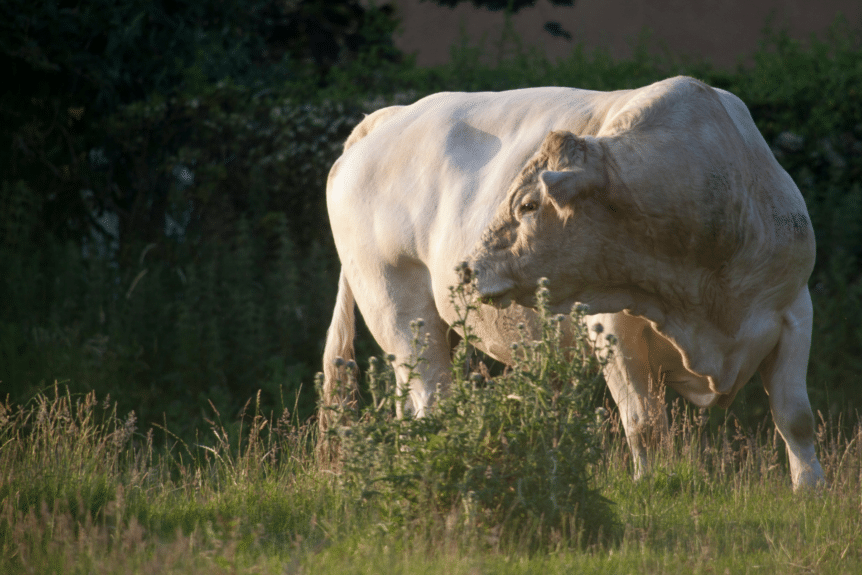
Herd dynamics play a significant role in determining the risk of cow trampling. A larger herd of cows, for instance, can be more difficult for a farmer to control and manage, potentially increasing the risk of trampling incidents.
Additionally, certain breeds of cows may exhibit more aggressive behaviour, requiring farmers to be extra vigilant in addressing the risk of potential incidents. It is important for farmers to monitor their livestock regularly and identify any aggressive or unusual behaviour, such as maternal instincts or territorial behaviour, taking appropriate action to minimise the risk of such incidents.
Management Techniques for Farmers to Reduce Risk
Effective management techniques are essential in reducing the risk of cow trampling incidents on farmland. rradar, a defence law firm specialising in the agricultural sector, offered as part of Rural Protect, have created an extensive list of ways farmers can mitigate this risk. Here are just a few:
- Implement regular health checks for cattle to identify and address any potential health conditions that may contribute towards aggressive behaviour.
- If possible, keep cattle in fields that do not have public access, especially when cattle have calves close.
- Display correct signage to warm members of public of livestock in the field; if higher risk, add specific signage.
Read rradar’s article on cow trampling and mitigating risk here.
Rural Protect for Cattle Farmers
A Rural Protect Management Liability policy should be considered by rural businesses as part of their insurance portfolio, no matter the size, complexity, or structure of the company, as it can provide invaluable cover.
If your client falls within the rural sector and our wide range of accepted trades listed here, ensure they know about Rural Protect and the benefits it can bring.
If you want to know more about Rural Protect or would like to talk to us about how we can help you help your rural clients, please contact us on 01653 609090 or at enquiries@hbunderwriting.co.uk.