Counting the cost: Limiting your exposure to heavy fees or a custodial sentence.
The scenario:
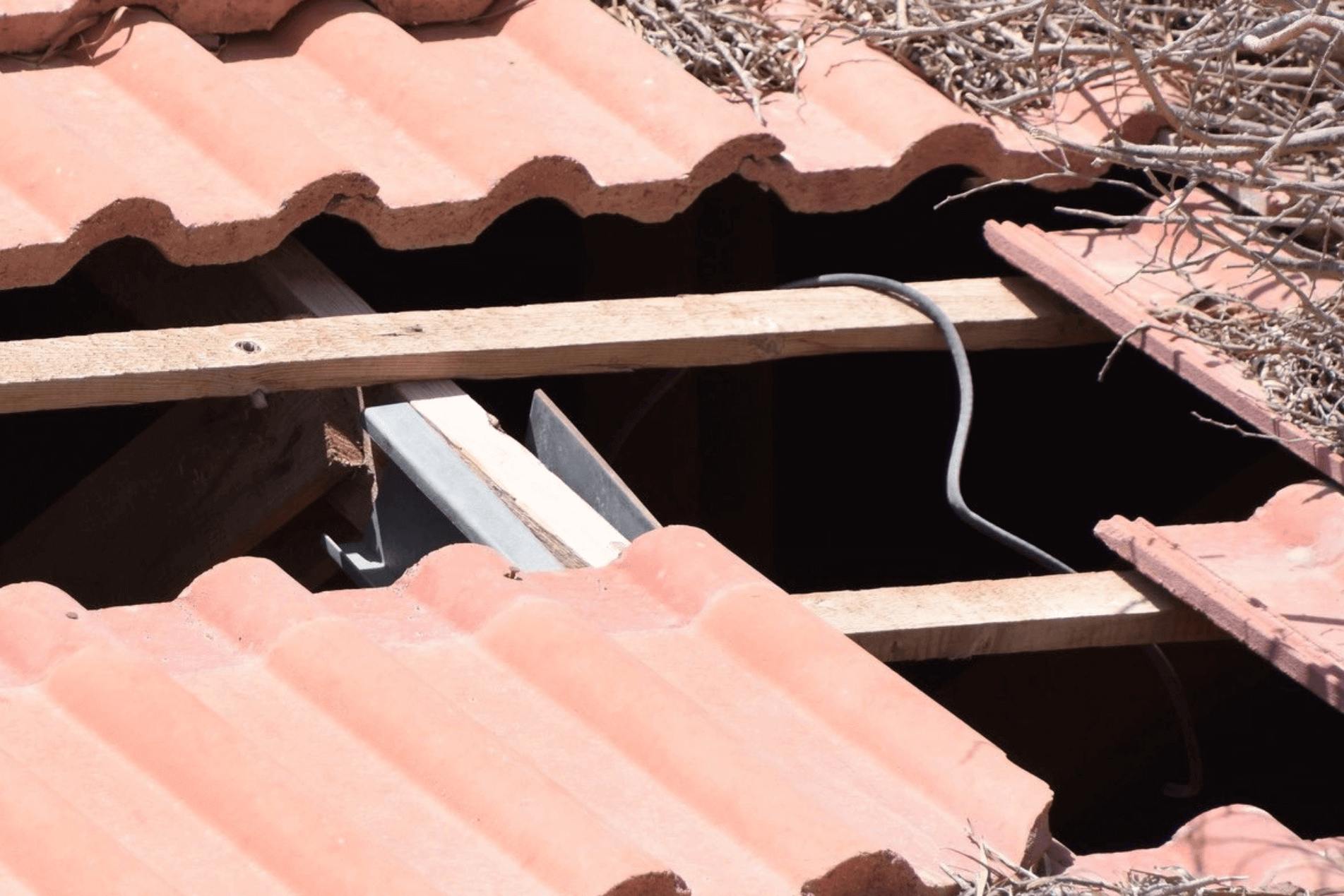
An agricultural company asked several of its farm workers to clear a blocked drain at ground level in one of the farm’s cattle sheds. Without instruction from or knowledge of the company, the workers climbed up onto the roof of the shed to clean out a gutter.
What happened?
One worker fell through a skylight, suffering a serious back injury as a result.
The Health and Safety Executive (HSE) began a criminal investigation, alleging that the client had failed to ensure the work at height undertaken was planned, supervised and carried out in a safe manner.
The HSE invited the client to attend an interview under caution, indicating that a criminal prosecution was contemplated.
Throughout the investigation, rradar advised the company directors at meetings. One of rradar’s specialist and senior lawyers attended the caution interview to represent the company. rradar also made representations on the company’s behalf to the HSE.
The outcome:
The advice, support and representation provided by rradar was crucial in enabling the client to mount a robust defence, which resulted in the HSE deciding not to prosecute the company, thereby avoiding paying fees for HSE intervention (at £129 per hour), very heavy fines or possible imprisonment. Total cost for legal fees in the handling of this claim were just over £6,000.
If any business is found to be in material breach of health and safety law, they will have to pay for the time it takes the HSE to identify the breach and help put things right. This includes investigating and taking enforcement action. We cover these costs in the Rural Protect policy under the company liability section; this is not usually something covered by standard D&O or legal expenses insurance.
Something to think about
A serious accident for an employee can spell disaster, both for them and their employer. What can lessen the impact for all concerned and avoid a costly court appearance, fines, a prison term and potentially the end of the business?